15Views
DUI and Your Security Clearance: What Georgia Drivers With Clearances Need to Know
For most drivers, a DUI is a criminal case with criminal penalties. For the thousands of Georgians who hold a federal security clearance — defense contractors, federal employees, and workers at the many facilities around Atlanta that support government work — a DUI arrest can also threaten the clearance their job depends on. The clearance process has its own rules, its own reporting obligations, and the power to suspend or revoke a clearance even when the criminal case ends well. Understanding that process before you make any decisions is essential.
A security clearance is a determination that a person can be trusted with classified information, and it can be withdrawn when the government concludes that trust is no longer warranted. The decision is governed by the adjudicative guidelines, a set of standards that cover loyalty, trustworthiness, financial responsibility, and personal conduct. Alcohol consumption is one of the guidelines. A DUI arrest is treated as evidence under that guideline, and it can also raise concerns under the personal conduct guideline if the arrest involved dishonesty, a failure to report, or a pattern of irresponsible behavior.
The Duty to Report
The first obligation after a DUI arrest is to report it. Under Security Executive Agent Directive 3, clearance holders must self-report certain events, including an arrest, to their security officer. The exact deadline depends on the agency and the facility, but the rule is the same everywhere: report promptly, report accurately, and do not wait for the criminal case to be resolved. Failing to report an arrest is itself a serious problem, and in many cases it is the failure to report — not the DUI — that costs the clearance.
The report should be factual and brief: the date, the charge, and that you are seeking legal advice. Do not volunteer details that could be used against you in the criminal proceeding.
Continuous Vetting and the Adjudication Process
Security clearances are no longer reviewed only every few years. Under the continuous vetting system, the government monitors clearance holders on an ongoing basis, using criminal records, credit reports, and other sources. A DUI arrest is likely to surface through continuous vetting even if the clearance holder never reports it — which is another reason to report promptly rather than hoping the arrest goes unnoticed.
Once the government learns about the arrest, it may open an inquiry or request the police report, court records, and a statement about the arrest and about alcohol use. In more serious cases, the government may issue a Statement of Reasons proposing to revoke the clearance, and the holder has the right to respond and to request a hearing before an administrative judge.
What the government considers depends on the facts. A single first-offense DUI with a low blood alcohol level, no accident, and a prompt report is viewed differently from a repeat offense, a high blood alcohol level, or an arrest involving an accident. The government also looks at what the clearance holder has done since the arrest: completing a substance use evaluation, attending counseling or treatment, and demonstrating a period of abstinence or responsible alcohol use all weigh in the holder’s favor. A clearance holder who ignores the problem, continues to drink heavily, or is arrested again is in a much worse position.
The Effect on Your Job
Losing a clearance often means losing the job that requires it. Many defense and federal contracting positions cannot be performed without a clearance, and an employer may not have uncleared work available. For a clearance holder with a mortgage, a family, and years invested in a career, the employment consequences of a DUI can be more damaging than the fines or the license suspension. That is the professional fallout of a DUI for cleared professionals — the job can be at risk even when the criminal penalties are manageable.
The criminal case and the clearance case also interact. A guilty plea in the criminal case is an admission that the government can use in the clearance proceeding, and a conviction becomes part of the record the adjudicator reviews. That is why the criminal case should not be resolved without considering the clearance consequences.
What to Do After an Arrest
First, find out your reporting obligation and meet it. Check with your facility security officer or your employer’s security office, confirm the deadline, and make the report on time. If you are unsure about the deadline, report immediately rather than waiting.
Second, do not discuss the arrest with coworkers or investigators beyond what is required.
Third, take the alcohol issue seriously. Complete a substance use evaluation, follow any treatment recommendations, and keep records of everything.
Getting Help That Covers Both Cases
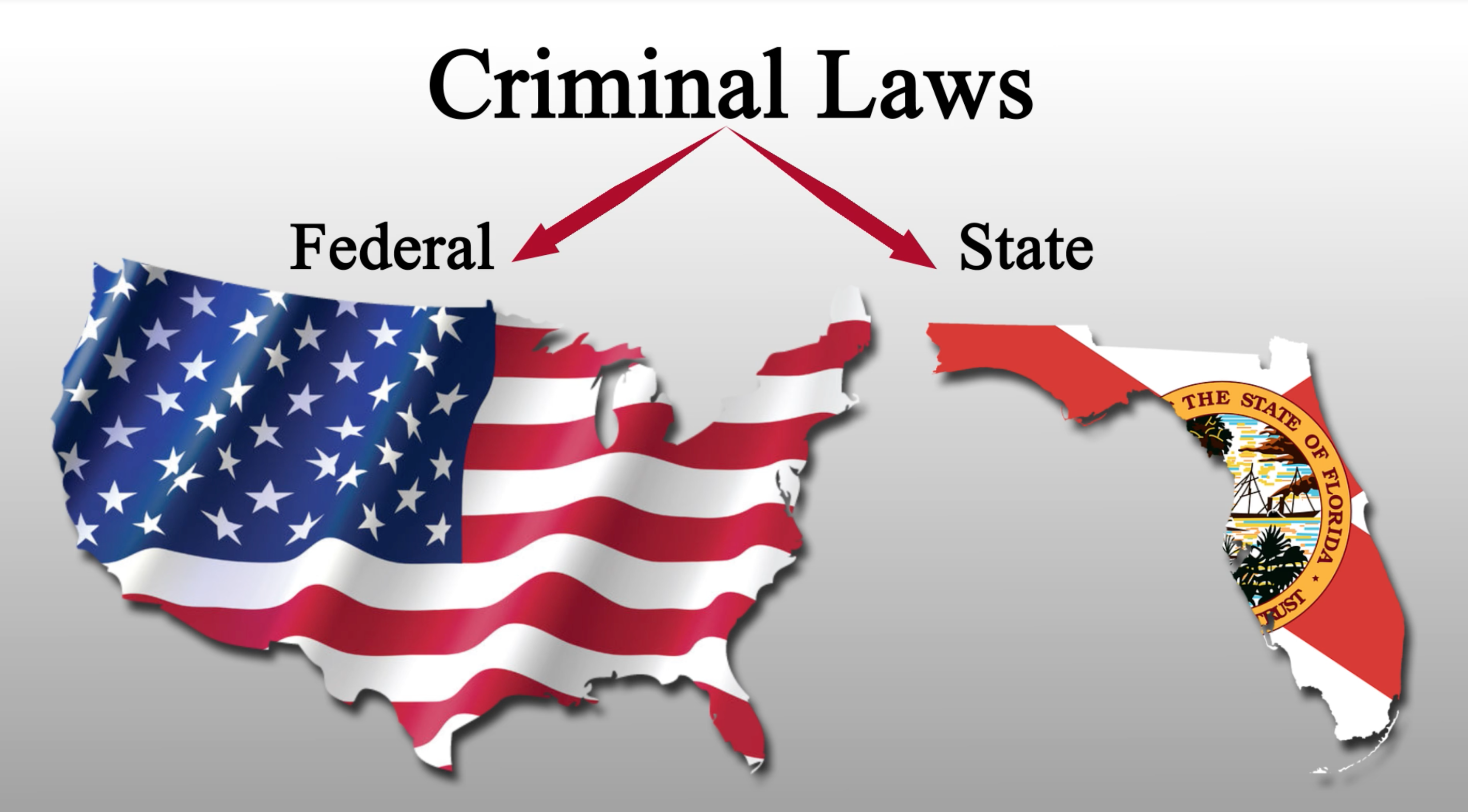
A DUI arrest for a clearance holder is really two cases: the criminal case and the clearance case. They move on different timelines, under different rules, and with different stakes. An experienced Atlanta DUI Lawyer can handle the criminal case with the clearance consequences in mind, and can coordinate with a security clearance attorney so that the strategy in one case does not damage the other.
Your clearance is your career, and it deserves the same attention as your freedom. An Atlanta DUI Attorney can explain what the arrest means for your clearance, what you must report and when, and what steps to take to protect it. If the government has opened an inquiry or issued a Statement of Reasons, a DUI Attorney Atlanta clearance holders trust will know how to respond. And a DUI Lawyer Atlanta residents rely on can help you plan for the months ahead, from the criminal court dates to the clearance deadlines, so that nothing is missed.
The Bottom Line
A DUI arrest does not automatically cost a clearance holder their clearance, but it puts the clearance at risk — and the risk is highest when the arrest is not reported, the alcohol issue is not addressed, or the criminal case is resolved without thinking about the clearance. Report promptly, take the issue seriously, and get help that covers both the criminal case and the clearance case. Your job depends on it.