737Views
Navigating Georgia Sobriety Checkpoints With Atlanta DUI Lawyer Guidance
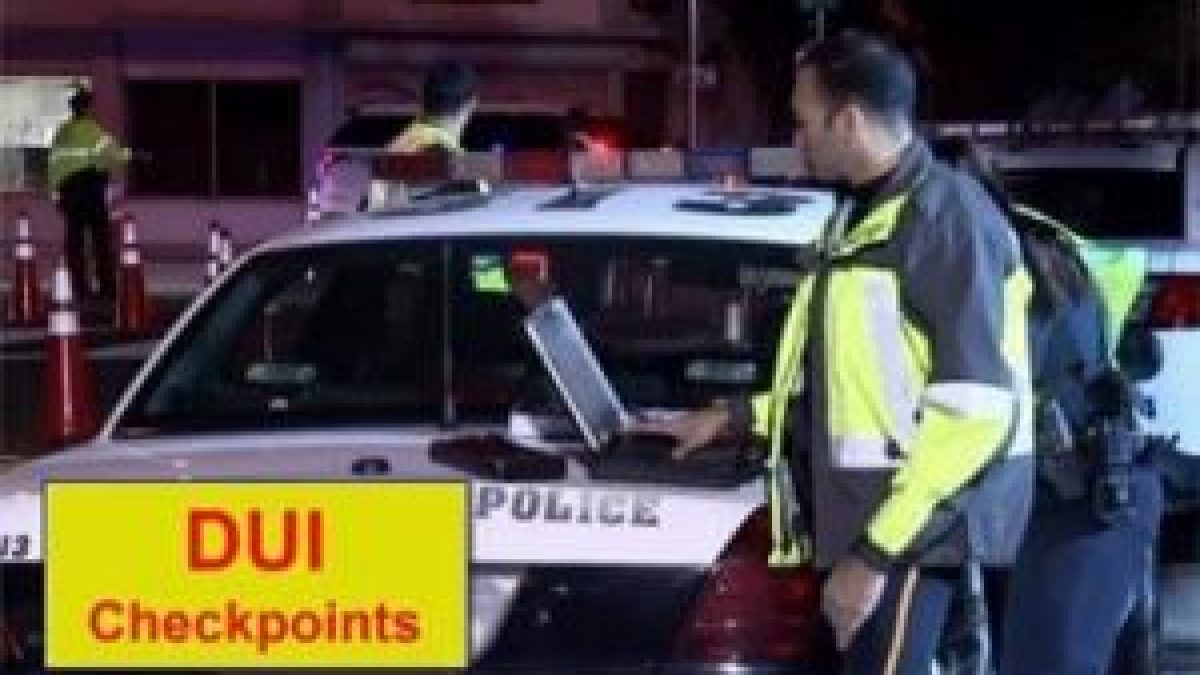
Georgia law enforcement uses DUI checkpoints (also referred to as roadblocks) as an effective method for stopping drivers and searching for signs of intoxication. Such roadblocks are legal according to U.S. Supreme Court ruling, though they must adhere to specific guidelines.
At a DUI checkpoint, it’s crucial to remain calm and assert your rights politely and assertively. By following these tips you may avoid an arrest with lifelong consequences.
1. Know Your Rights
Can’t decide on an Atlanta DUI lawyer to represent me at my DUI checkpoint hearing? James Yeargan Law Firm provides comprehensive knowledge and understanding of Georgia’s DUI laws and procedures and strives to defend those facing drunk driving charges.
DUI checkpoints are police roadblocks set up at predetermined times and locations to detect signs of impaired driving, serving the government interest by safeguarding public safety without violating your constitutional rights.
As soon as officers approach your vehicle, you are legally required to provide basic information such as your name and address. Remain calm and polite as refusing a breath test or other field sobriety tests could result in immediate license suspension under Georgia’s implied consent law.
An experienced DUI defense attorney will assess whether the checkpoint in your case complied with legal requirements, such as supervisory oversight, specific criteria for stopping vehicles, neutral and predictable procedures and officer conduct as well as any malfunctions of testing equipment such as breathalyzers.
2. Avoid Avoiding Checkpoints
DUI checkpoints can pop up unexpectedly at any time and it’s impossible to predict their presence beforehand. Mobile apps like Waze can assist with tracking traffic stops but may not always provide accurate locations of traffic stops. If you are driving home from a bar in downtown Atlanta or leaving an Athens Bulldogs game and see telltale lights of a DUI checkpoint ahead, this may cause distress and uncertainty as to what action should be taken next.
At a DUI checkpoint, officers require you to provide certain basic identifying information like your driver’s license, registration and proof of insurance. Beyond this, however, you are entitled to remain silent – politely exercising this right can prevent inadvertent statements that can later be used against you from occurring.
Your attorney could present evidence to show that the checkpoint at which you were stopped did not comply with legal requirements – such as failing to have supervisor approval or following set patterns for stopping vehicles – and this may lead to your charges being dropped. Your lawyer could also investigate your interactions with officers to ensure they followed proper protocols, field sobriety tests were administered fairly, etc.
3. Refuse Tests
No matter whether or not you are impaired, you have every right to decline field sobriety tests conducted by law enforcement officers. Officers will ask for your name, driver’s license number and perform a breath test; in turn they can only stop your vehicle if there is reasonable suspicion or probable cause that any law has been broken; declining these tests won’t directly influence your court case, though prosecutors might contend it indicates you believed failure might happen.
Though Georgia does not permit drivers to use mobile apps to identify DUI checkpoint locations, having a clear understanding of traffic laws and your legal rights could help you navigate them smoothly. Consultation with an Atlanta DUI attorney could also provide invaluable advice tailored specifically to your unique situation, while their examination of whether police followed proper procedures may reduce any chance that evidence gathered at a checkpoint will be admissible in court proceedings regarding DUI checks; something which is especially crucial considering most DUI cases are decided upon based on totality of circumstances rather than single factors alone.
4. Remain Silent
Checkpoint stops require law enforcement to collect your name, address and license. However, you’re not legally obliged to answer any additional inquiries regarding alcohol consumption or drug paraphernalia; if you prefer to remain silent simply tell the officer so. As per Georgia implied consent laws (OCGA 40-6-391), police may ask you to perform field sobriety tests or take a breath test as per Georgia implied consent laws; refusing these may result in license suspension automatically.
Though some states view DUI checkpoints as unconstitutional, Georgia Supreme Court has issued clear rules to ensure these roadblocks are administered in an equitable and responsible manner balancing public safety with individual rights. These include advance notification, neutral criteria for stopping vehicles, supervisory approval and other key considerations.
Understanding your legal rights and obligations when encountering an Atlanta DUI checkpoint is essential to avoiding unnecessary legal consequences. If arrested for DUI, an experienced Atlanta DUI attorney can help defend against illegal searches, inaccurate breath testing and any other missteps which could lead to conviction.
5. Contact an Attorney
An Atlanta DUI lawyer could assist in fighting DUI checkpoint charges successfully on various grounds. From calibration issues with breath test machines to overzealous officers, many elements could work against the prosecution in your case and help lower its strength.
No matter your rights, it’s best to remain calm and cooperate with officers at DUI checkpoints. Give officers your driver’s license and registration, then follow their instructions. Remaining silent may also help in terms of protecting yourself later from charges; admitting drinking could be seen as an admission of guilt by authorities.
Your right to refuse field sobriety tests is protected under Georgia law and may be used against you in court proceedings, though it will not lead to arrest or license suspension for DUI. A DUI conviction can have devastating repercussions for your freedom, job and reputation; so it is crucial that if facing DUI charges it immediately seek legal guidance – an experienced Georgia DUI lawyer could help fight your case successfully and secure a future free from legal consequences.